ETT® Modalities
There are four modalities within the ETT® method that provides the capacity to individualize therapy for each person.
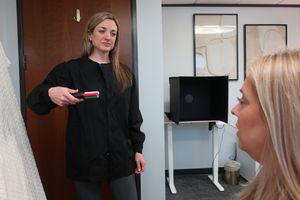
MDEM uses specific visual targets during interpersonal processing, with the aim of engaging the neural mechanisms underlying emotional or physical distress. Eye movements are individualized for each person in terms of speed and direction. Many clients report meaningful and often rapid shifts in distress over the course of a single session.
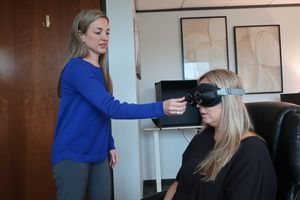
PES uses specialized goggles that direct carefully calibrated beams of light within the peripheral visual field during interpersonal processing. Clients may access previously unconscious emotional material and some report significant relief from emotional or physical distress within a session.

SRT uses a specialized spectral chart of deeply saturated colors during interpersonal processing to support emotional regulation and engagement. It is designed to bring non-conscious emotional material (often the basis for persistent emotional symptoms) into awareness so it can be worked with directly. Practitioners report that some clients experience significant and lasting shifts over a course of sessions.
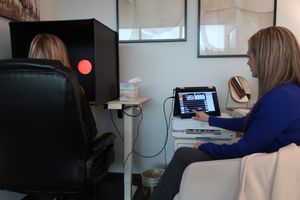
The Light Emitting Device emits selected wavelengths of light during expressive processing, drawing from hundreds of precise wavelength options. Different wavelengths may engage different neural states, allowing the therapist to work with specific presentations of distress while the client engages in therapeutic dialogue.
How It Works
These modalities are never used in isolation. ETT® requires a solid therapeutic rapport between the ETT®-certified therapist and client, establishing an environment of trust and safety. The combination of visual stimulation and interpersonal dialogue is designed to engage emotional and implicit memory processes that are not readily accessible through verbal exchange alone, allowing therapeutic work to reach material that conscious conversation cannot easily address.
ETT® has been used by practitioners for a range of presentations including trauma, PTSD, depression, anxiety, addiction, phobias, complex trauma, and physical symptoms with significant emotional components.
Some clients report significant shifts in longstanding patterns of emotional distress over a relatively small number of sessions.
ETT has shown effectiveness for treating numerous conditions including:
- Trauma
- PTSD
- Depression
- Anxiety
- Addictions
- Phobias
- Complex trauma
- and Physical pain with emotional components
How Is ETT Different from EMDR or Brainspotting?
While ETT® is sometimes compared to EMDR or Brainspotting, it is a distinct method. ETT® combines four specific modalities of visual stimulation and light frequency with attachment-based interpersonal therapy, with the aim of engaging the deeper neural structures where emotional patterns are held. The theoretical basis, procedural structure, and clinical application differ substantially from both EMDR and Brainspotting.
Why Does It Often Work So Rapidly?
Traditional talk therapy operates primarily through conscious, verbal processing. Emotional distress, however, is often stored in deeper, non-verbal structures that are not easily reached through language alone. By incorporating visual stimulation into the therapeutic process, ETT® is designed to engage these structures more directly, which both practitioners and clients report can produce meaningful relief in a compressed timeframe compared to conventional approaches.
ETT® combines attachment-based interpersonal therapy with precise visual brain stimulation, offering a distinctive approach for clients seeking rapid emotional transformation.
To learn more about ETT contact us, or find an ETT-trained therapist at the links below: